A Small Guest Room and Home Office That Can Switch Jobs
A room can serve work and overnight guests, but both uses need a complete arrangement. A bed that opens only after the desk chair is left in the hallway is not a finished plan. Map the occupied office and the overnight room separately, then decide how the transition happens.
Keep the change simple enough to complete before a visitor arrives. The room does not need to look equally like an office and bedroom at every moment.
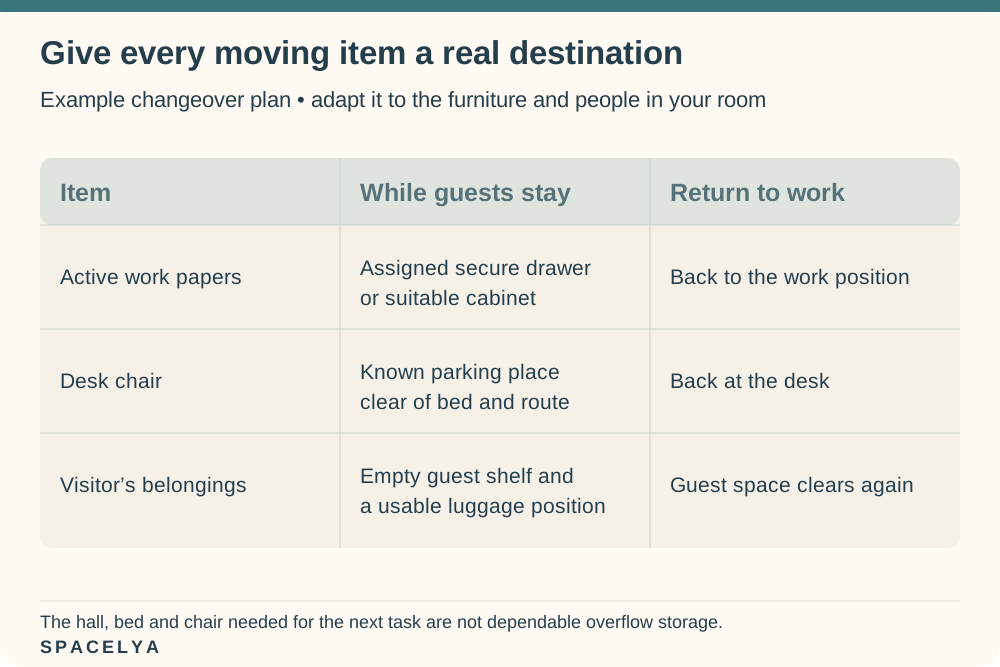
Give each use a complete footprint
Include the bed fully prepared for sleeping and the workstation with its chair in use. Check drawers, moving furniture and any folding mechanisms according to their instructions. Do not count the same floor strip as simultaneously available to both tasks.
Our small-apartment desk guide can help assess the working position. If the room cannot support both complete arrangements, reconsider the furniture or which tasks it can reasonably accommodate.
Decide which job happens most often. A daily office with occasional overnight visits can keep a proper working chair and store a small guest kit elsewhere. A room hosting family for weeks at a time needs an everyday sleeping setup, with office work moved or limited during the stay. The floor plan follows that decision.
List the items that must move and name their destinations before buying furniture. For example: active papers into the lockable cabinet, the chair into an existing suitable parking position, and the spare bedding onto the bed after its normal care routine. “Move it into the hall” is unfinished if that hall is the way everyone gets to the bathroom.
Keep the guest route clear
Check the path from the door to the bed and any necessary window or storage access. Include a visitor's bag rather than assuming they arrive without belongings. Keep required exits and equipment clearances available.
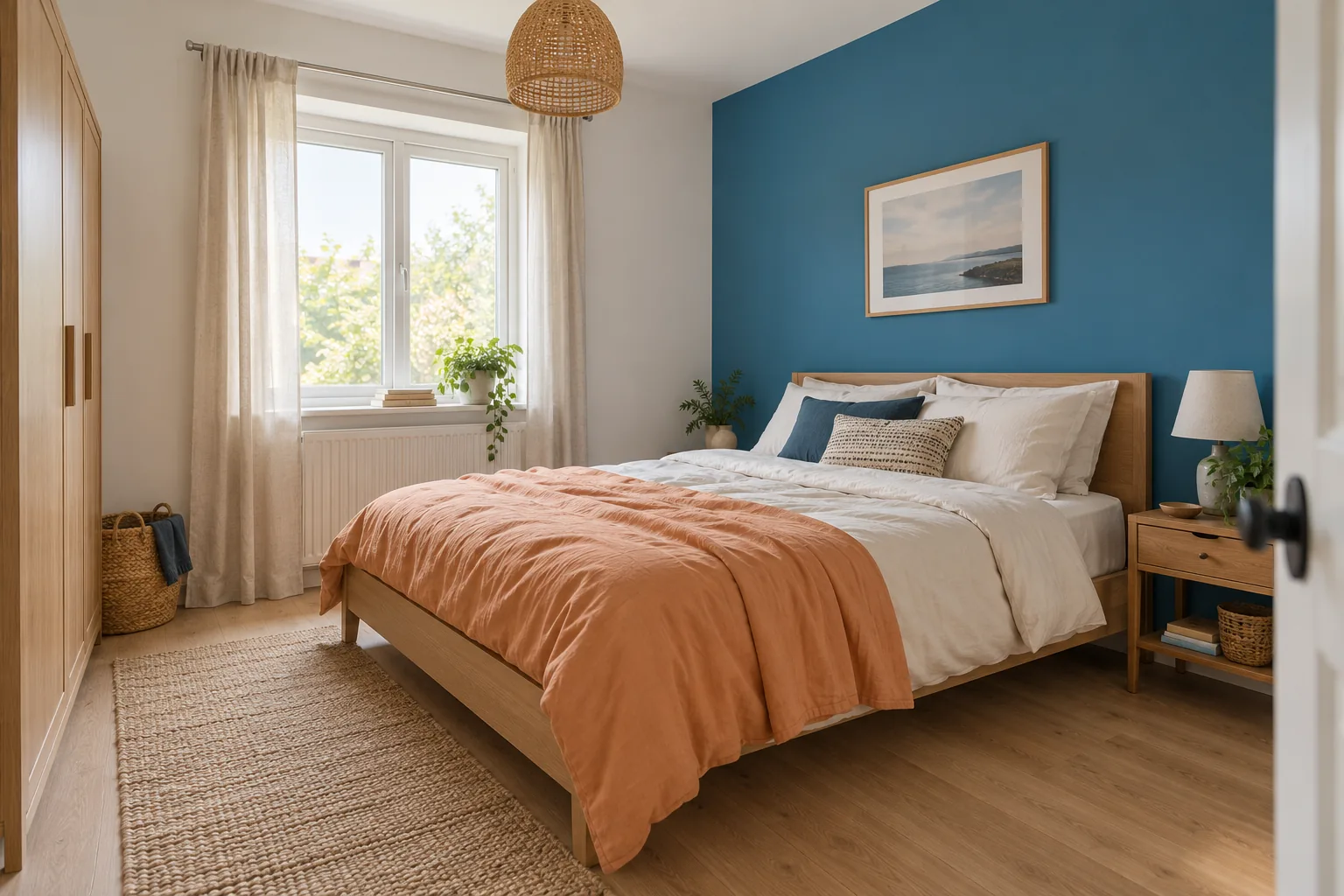
Dusty teal and peach can connect the work and sleep elements without adding more furniture. Use the palette through suitable bedding or a modest storage detail while keeping the walking route uncomplicated.
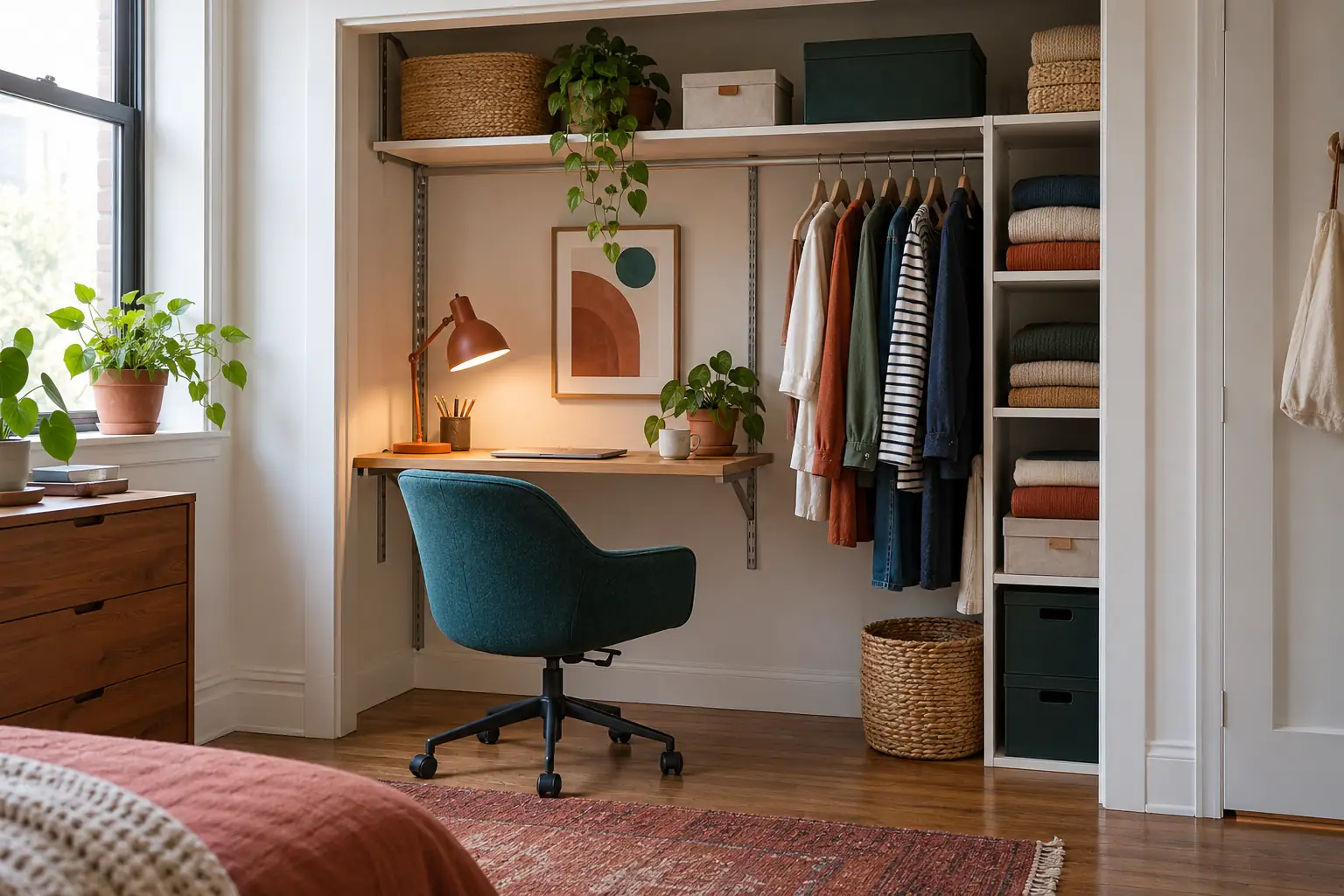
Make work supplies close away
Give papers, tools and other office items defined appropriate storage. Keep private documents and restricted equipment suitably secured. A desktop tray can help only if it has a real home during the guest stay.
Avoid relocating the whole working pile onto the bed temporarily. The transition should have a repeatable destination for active work, with necessary equipment left in its suitable operating or storage conditions.
Try the change at the end of a normal working day, with the charger, notebook and items still on the desk. Leave electronics in the storage or operating conditions their instructions require. A closed cupboard is not automatically a suitable place to run a printer or charge equipment.
Choose one small home for active work, such as a labeled folder or a drawer that fits the real papers. Keep personal documents appropriately secured. The goal is to make the room ready for the guest without losing the work you need when they leave.
Give visitors one empty storage position
Reserve a modest drawer, shelf or appropriate hanging section that is genuinely available. An attractive basket already full of office supplies does not serve that job. Keep the amount proportionate to the visits you host.
Our small bedroom ideas can help keep the sleeping arrangement comfortable. A clear luggage position and one usable storage area may be more valuable than several decorative bedside objects.
An empty drawer is often more useful than a new clothes rail. Open it fully with the bed prepared and check that the visitor can stand in front of it. Offer a place for the suitcase too; otherwise it may occupy the only route around the bed.
If the room is too small for separate luggage furniture, agree on an existing clear floor or shelf position that suits the bag and leaves circulation open. Avoid promising the under-desk space if the office chair must also stay there. Give each piece one home during the visit.
Keep light useful for both roles
Assess working visibility and the guest's ordinary bedside needs separately. Use suitable stable fixtures with appropriate electrical arrangements. Keep controls accessible without reaching across another person's sleeping position or a crowded desk.
Check window privacy in evening conditions as well as daylight. The office view may be acceptable while the same treatment provides too little screening for an overnight room. Test the actual conditions rather than the treatment's color alone.
Test the overnight reset
Complete the full transition before the first visit: close away work, prepare the bed, clear guest storage and walk the routes. Then test the return to work mode. Keep both routines straightforward enough that necessary steps are not skipped.
If one item has no home during the change, resolve it before adding more decor. The room works when guests can use it comfortably and the office can resume without another complete reorganization.
A short written reset can help a room used by several people. Note where the active work goes, where the chair belongs, which shelf is for guests and how the room returns to office mode. This is a household plan, not a fixed list of furniture every guest room needs.
After the visit, put used bedding through its care routine before storing it, clear the visitor's temporary storage and return the chair and work kit. Notice which step was awkward. Changing one storage position is usually more useful than adding another decorative tray.
Should the desk double as a bedside table?
Only if its position, height and contents make that practical for the guest. Keep private work and unsuitable equipment appropriately stored, and provide accessible light. A separate modest suitable surface may be more useful than forcing the desk into both jobs.
About the illustrations
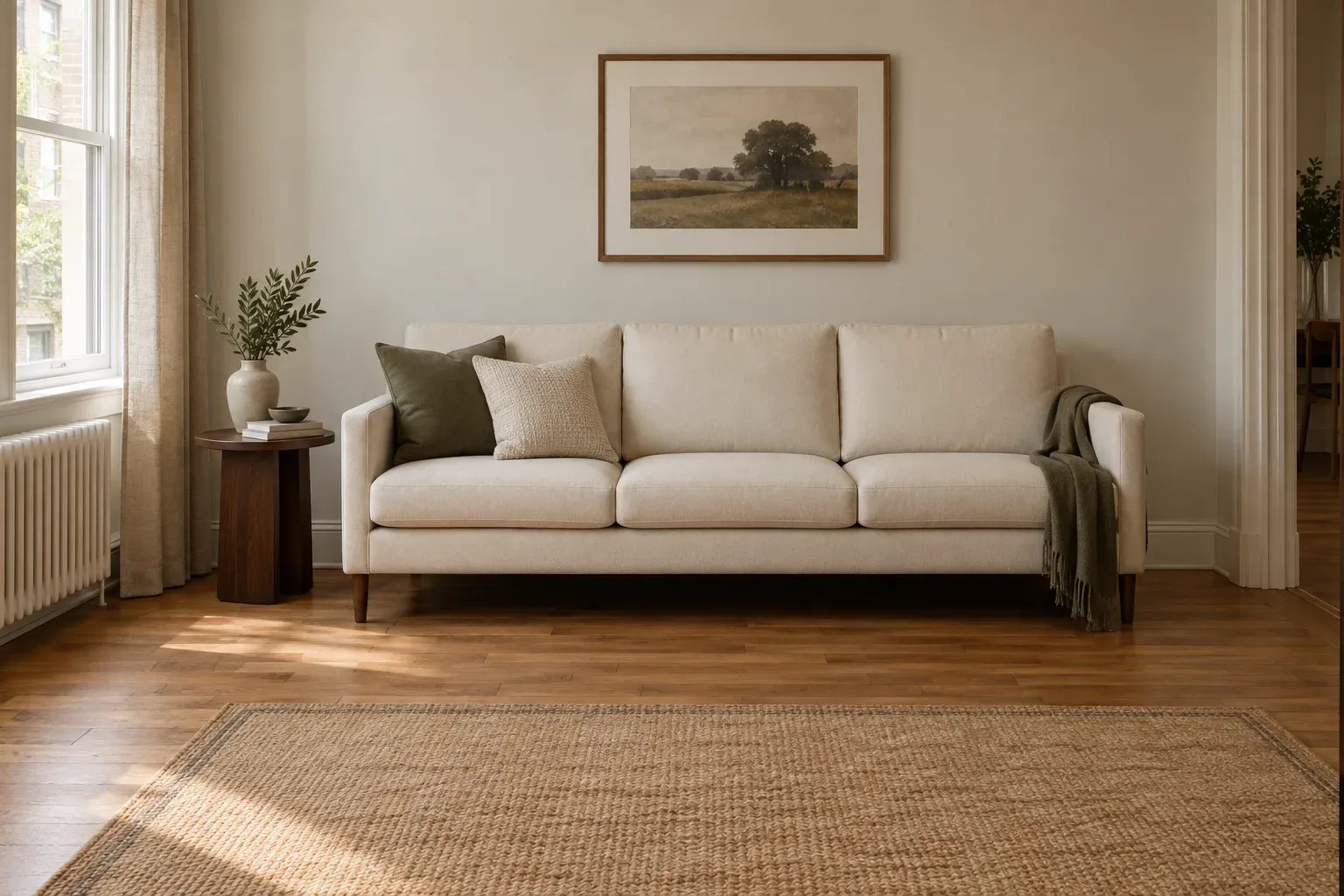
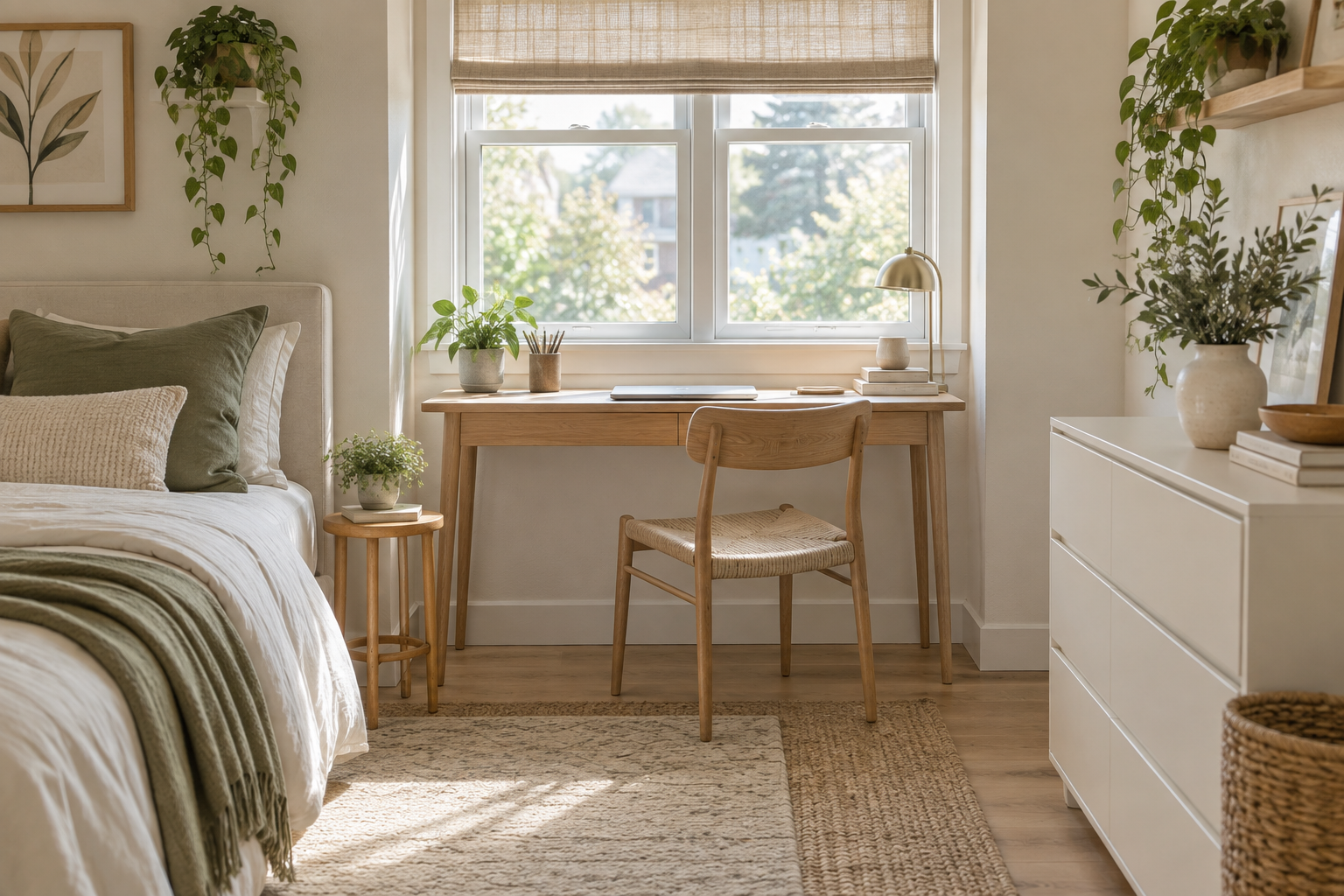
The room and storage scenes are reused AI-generated SPACELYA styling illustrations. They are visual references, not photographs of tested homes or products. The original SPACELYA planning graphic is explicitly illustrative; use the actual room, materials and product instructions when adapting the idea.
A beautiful small space is not about having more. It is about making what you have work better. — Spacelya