15 Renter-Friendly Decorating Ideas With Fewer Wall Fixings
Renter-friendly decorating means choosing changes your lease allows and your surfaces can tolerate. No removable product can guarantee a damage-free result on every paint finish, wall, window or piece of furniture. Check permission, product compatibility and removal instructions before installation.
Photograph the original condition and keep fittings you replace. Start with movable changes such as lamps, textiles and freestanding decor; use adhesives or mounting systems only when their instructions and your tenancy allow them.
This guide compares reversible decorating approaches. For a specific window setup, use our rental curtain guide, and for a blank wall, see wall decorating without crowding the room.
Choose the method from the surface and permission
Separate three decisions before buying: what the tenancy allows, what the product is designed to attach to, and what load the finished arrangement will create. Permission to hang a picture does not make every adhesive compatible with the paint. A lightweight object can also become heavier when combined with a shelf, frame or lamp.
If the surface or conditions are unclear, begin with a change that needs no new wall attachment: a cushion-cover swap, a rug suited to the floor or artwork in an existing properly supported frame. If a fixing is appropriate, follow its preparation, waiting, load and removal instructions exactly. Keep the packaging instructions until removal. Furniture that requires anti-tip anchoring still needs that support; a rental-friendly appearance is not a reason to omit it.
Use removable wall hooks carefully
Check that the hook is suitable for the surface and the fully loaded object. Follow cleaning, waiting and removal instructions, including any restrictions on recently painted or textured walls. Test in a permitted inconspicuous area first, while remembering a test cannot guarantee later removal. Avoid valuable, fragile or heavy objects where a failed adhesive would cause harm. Use an existing approved fixing when adhesive suitability is uncertain.
Try peel-and-stick wallpaper on a small area
Request permission if needed and test a sample on the actual finish before committing to a wall. Read the product's restrictions on paint age, texture, moisture and removal. A small panel inside your own bookcase may be easier to reverse than an entire rented wall. Keep a sample and instructions; stop if application or removal damages the surface rather than adding more material over it.
Lean large art instead of hanging it
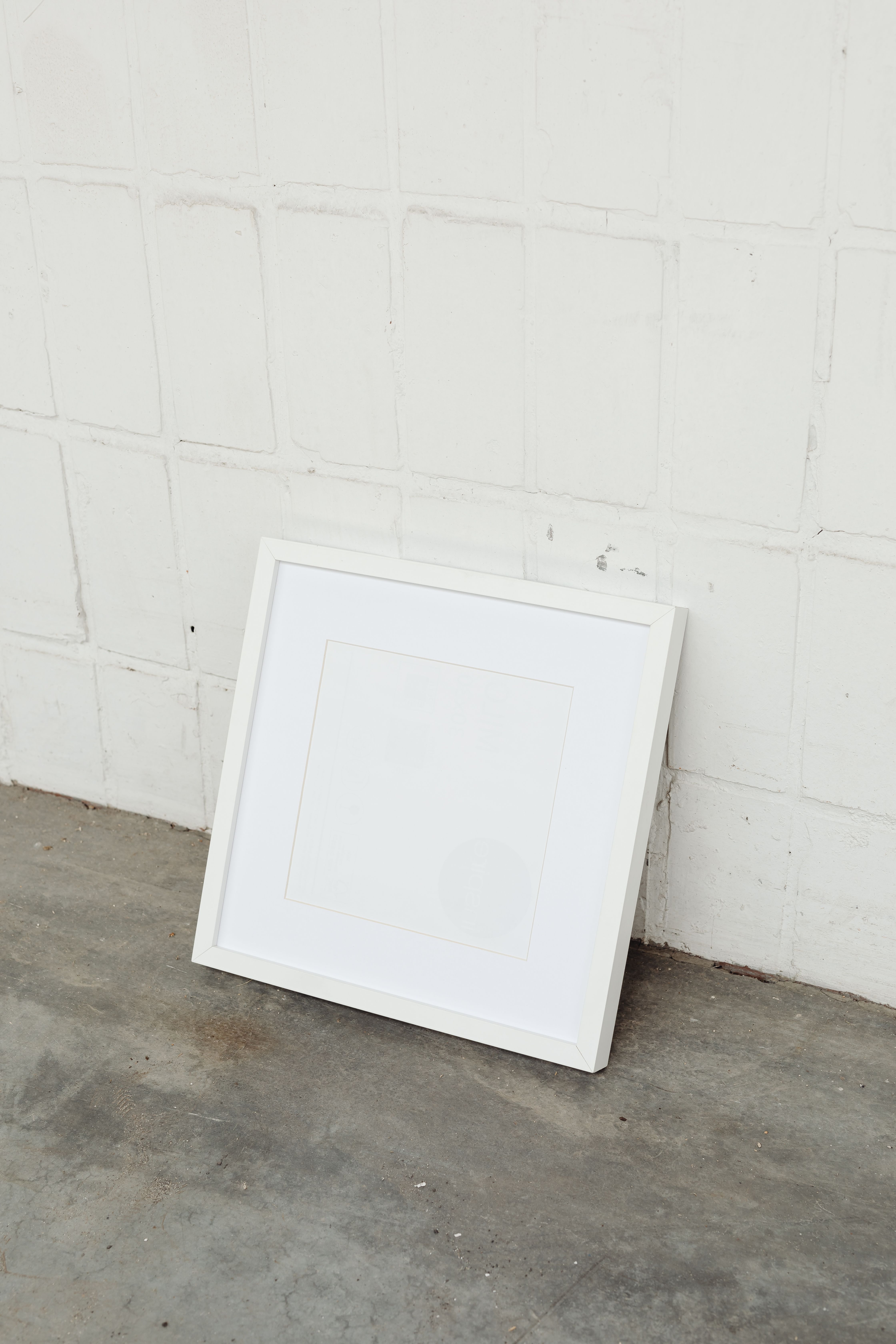
Set artwork on a suitable stable surface and follow the frame or mirror's securing instructions. Leaning does not remove tip-over risk, especially around children or pets. Keep it away from edges, walking routes and moving doors. If appropriate securing needs wall permission you do not have, choose a small stable tabletop frame or another display rather than leaving a large piece unsecured.
Add plug-in wall lights
Plug-in sconces avoid hardwiring but still require suitable mounting and a safe cable route. Check the wall fixings and ask permission before drilling. Keep leads away from door edges and use the correct bulb and fitting. Do not hang a sconce with improvised adhesive simply because it has a plug. A table lamp can provide a similar reading function when wall installation is unsuitable.
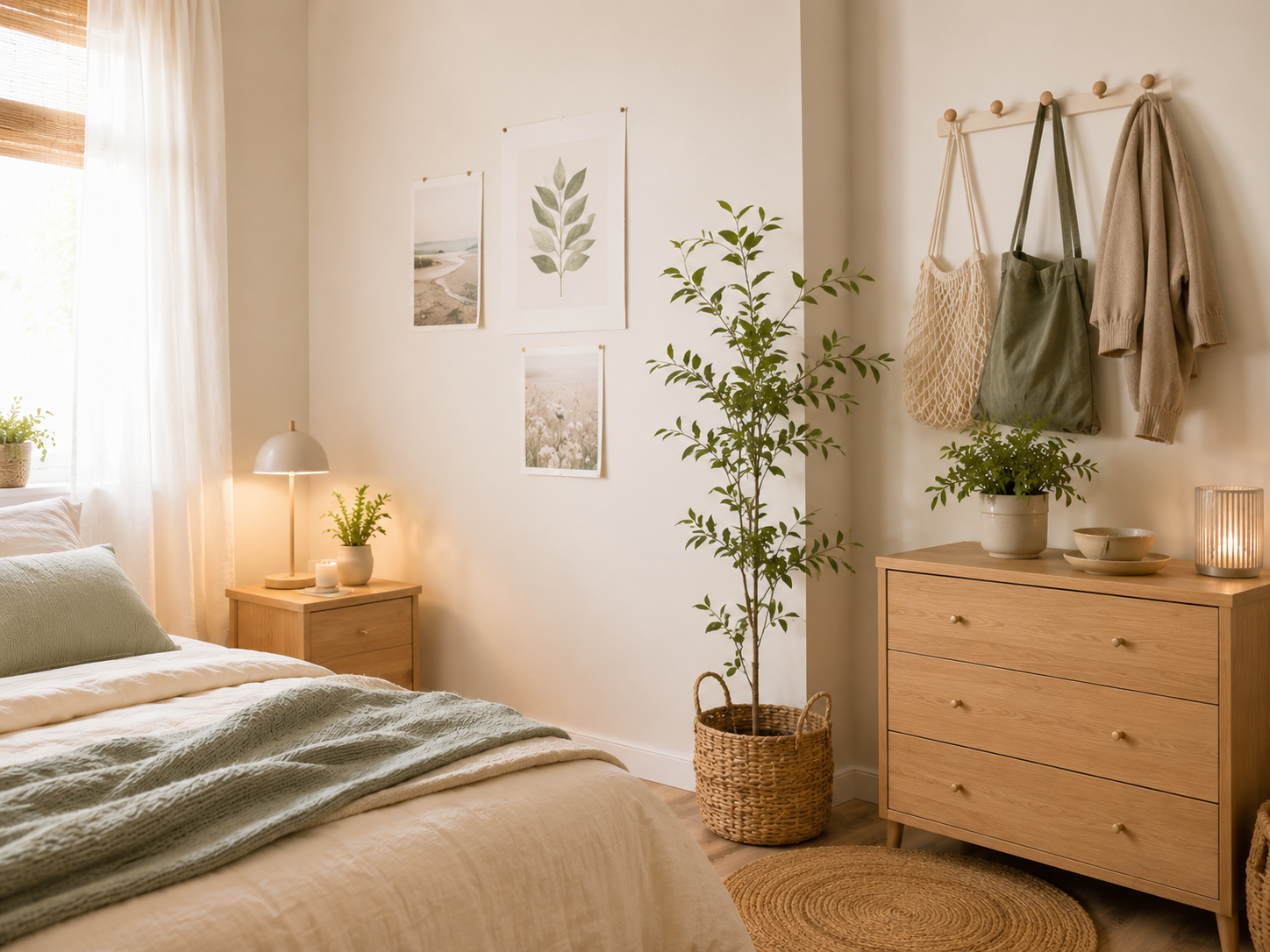
Change lampshades and bulbs
Choose replacement bulbs within the fixture's specified type and rating and check whether they work with any dimmer. A new shade must fit the lamp and allow the clearance its instructions require. Test the room at night before buying several bulbs; suitable light and a better-positioned lamp may solve the problem. Do not alter the landlord's wiring or fixture assembly to achieve the effect.
Use a large rug to define the room
Measure the rug around the furniture in use and check nearby door clearance. Choose backing or an underlay suitable for the existing floor, with edges that lie flat. Keep the care requirements manageable for your household. If covering unwanted flooring would create a trip edge across a narrow route, use a smaller appropriate rug in the seating area rather than concealing the whole surface.
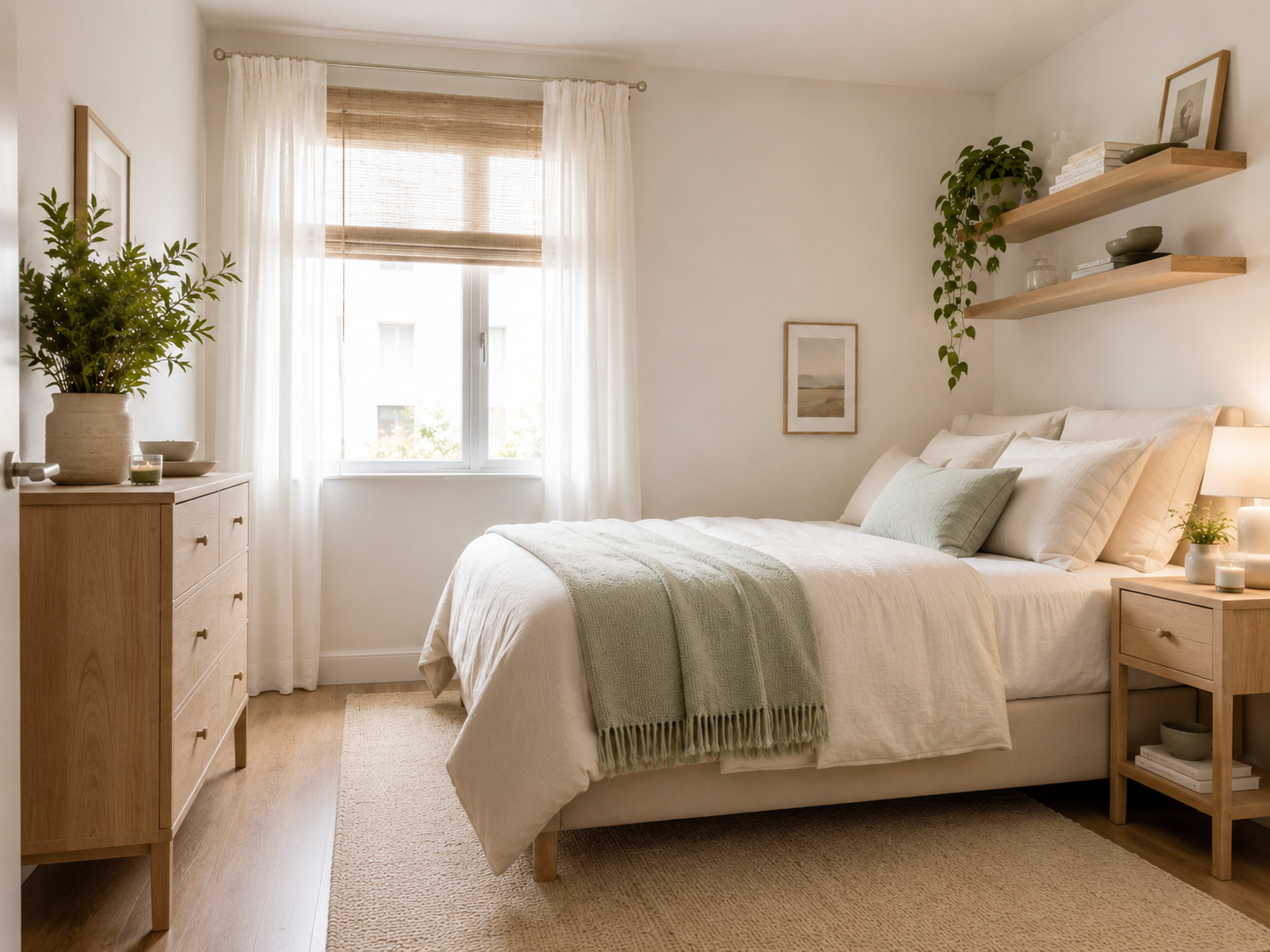
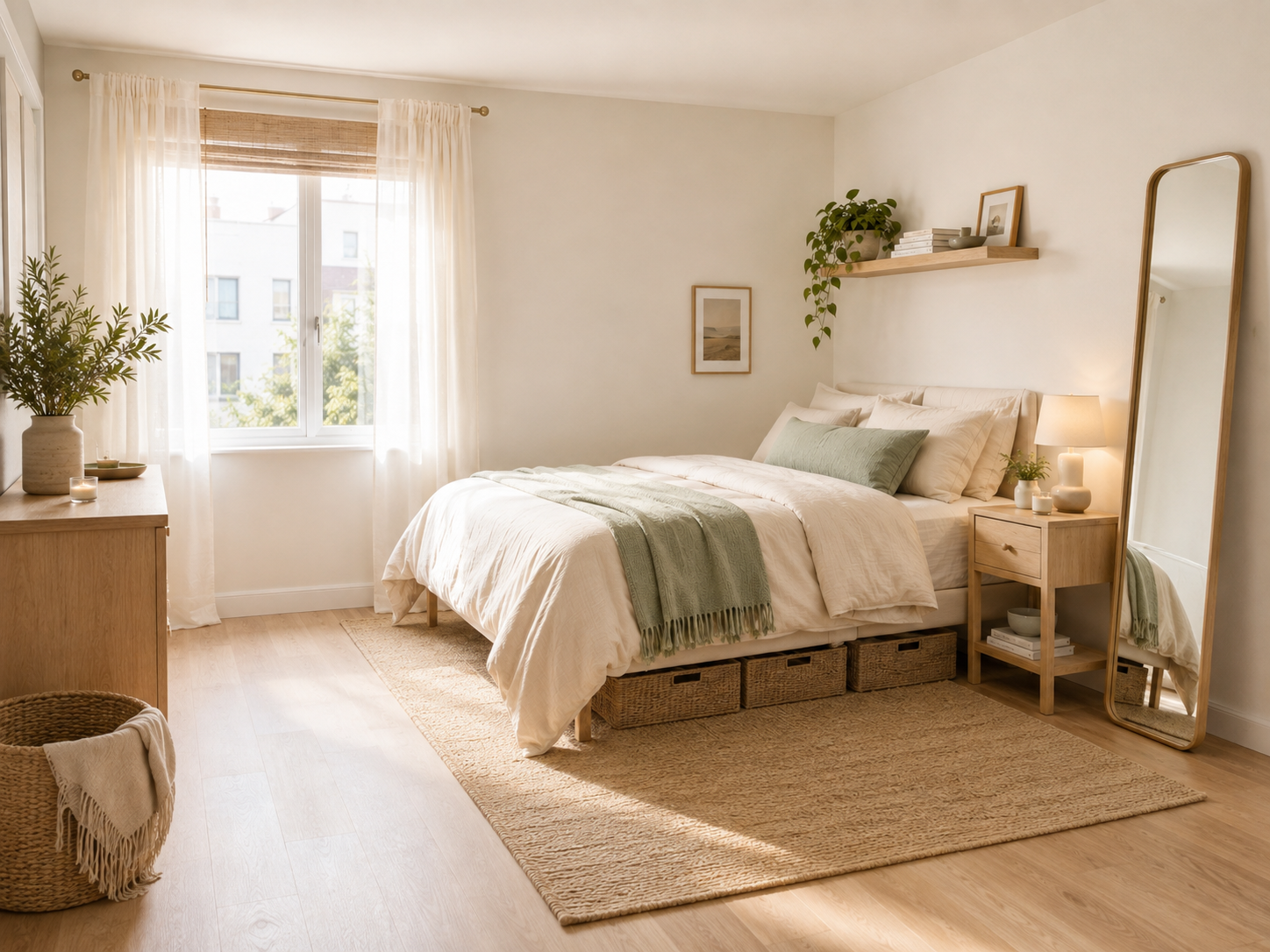
Add curtains even when blinds already exist
Assess the frame shape, curtain weight and available clearance before choosing a tension or removable mounting system. Follow its load and installation instructions and avoid obstructing the window's operation. Heavier curtains may require a fixing that your lease does not allow. Choose lighter compatible curtains or retain the existing blinds rather than forcing a removable system beyond its intended use.
Style with removable window film
Read both the film instructions and any glazing guidance before applying it. Suitability can vary with glass type, coating and exposure. A removable static-cling product still needs compatible glass and permission where required. Check whether privacy remains effective with indoor lights on at night. Keep ventilation and window controls clear, and remove the film as instructed rather than scraping an uncertain finish.

Use freestanding shelves
Measure the unit's footprint and the space to open nearby doors, then follow its stability and anchoring instructions. Freestanding does not mean a tall bookcase can remain unsecured. Ask permission for required anchors or choose a lower suitable unit if anchoring is unavailable. Keep heavy contents low and do not make a storage decision that relies on ignoring the manufacturer's anti-tip directions.
Upgrade cabinet hardware only if allowed
Check permission and measure the existing hole spacing before selecting a replacement handle. Measure between screw centers, not from one end of the old handle to the other. The new part also needs compatible screws, depth and clearance for normal use.
For an illustrative fit check, a cabinet with 96-millimeter screw centers will not accept a handle with fixed 128-millimeter centers in those same two holes. The 32-millimeter difference is a mounting mismatch, even if the handle looks the right overall length in a photograph. Choose compatible hardware rather than altering the cabinet to make a decorative swap fit.
Photograph and label the original parts by location. Try one permitted replacement under its instructions without overtightening against the finish. Stop if the change requires new holes or another alteration you have not arranged. A different textile or removable accessory may be a more manageable update when compatible hardware is unavailable.
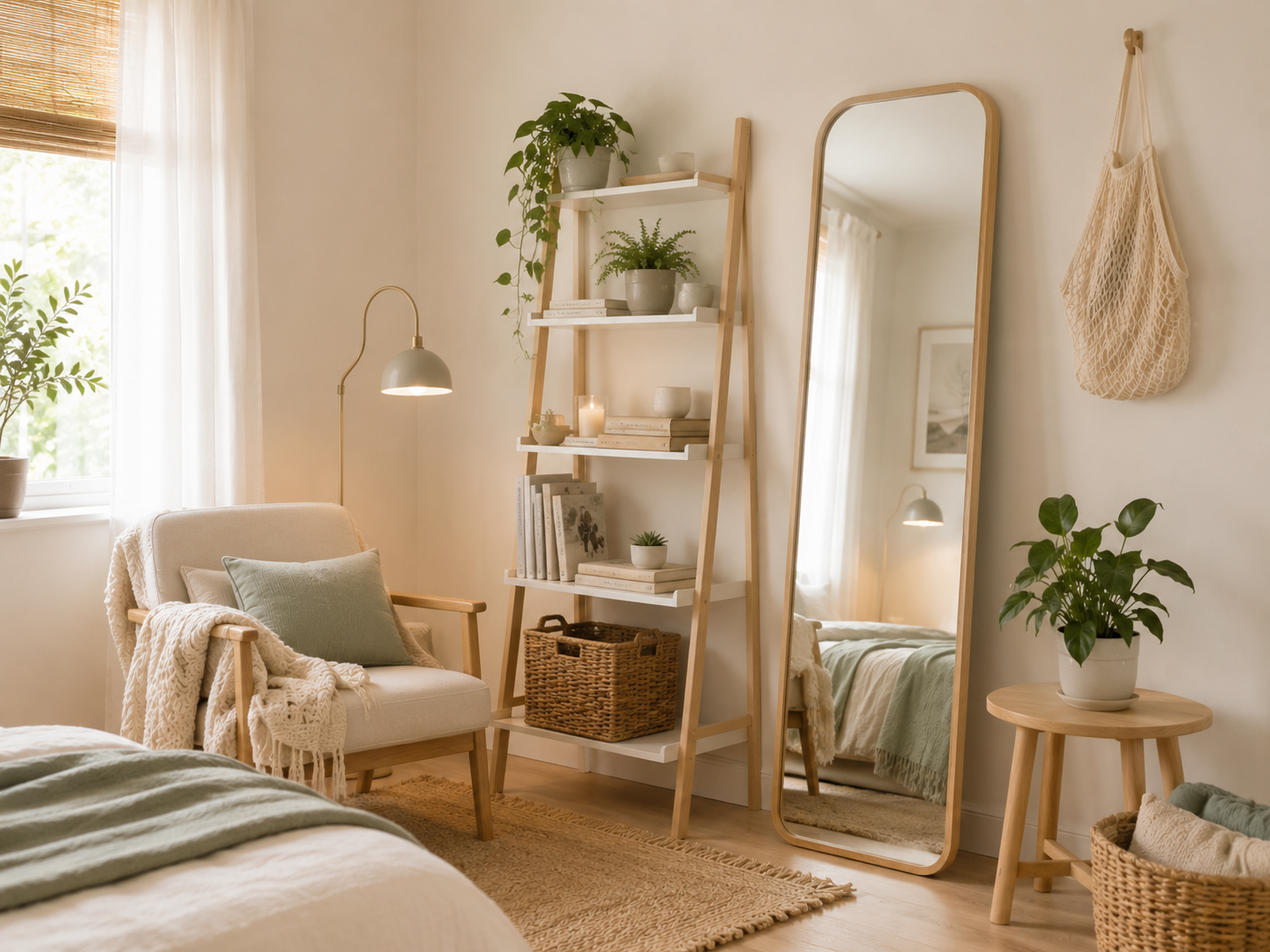
Decorate with textiles
Use textiles on surfaces you already have: a cushion cover, washable throw or bedding change can introduce color without a new fixture. Check fabric care and the actual size before ordering. Store the previous cover with its replacement so the swap is reversible and does not create a growing seasonal collection. Choose useful comfort first rather than adding several cushions that must be removed daily.
Bring in plants and natural texture
Pick plants for the light and care you can provide, checking suitability for children and pets where relevant. Use a stable container and protect rented surfaces from water without trapping moisture underneath. A woven basket can cover a suitable plant pot, but it is not a watertight planter. Natural materials add texture only when they suit the room's conditions and remain easy to maintain.
Create a gallery on a shelf or picture ledge
Use an existing suitable ledge or your own stable shelving, checking depth and the frame's ability to stay in position. A newly mounted picture ledge still needs permission and correct fixings. Keep frames away from the edge and secure them where instructed. Group a few pieces with space to change one easily instead of filling the shelf with a second layer that hides the first.
Hide awkward areas with furniture placement
Use furniture to direct attention while retaining access to switches, vents, heaters and service points. A screen must stay stable and leave the route open. Keep powered equipment ventilated as its instructions require; hiding a cable does not make an unsuitable route safe. Report damaged fittings or moisture to the responsible party instead of covering a problem with decor.
Make storage part of the decor
Choose storage for an existing category such as blankets or daily accessories, then assess its loaded dimensions in the intended location. A beautiful basket is useful only if it makes returning the contents easier. Keep doors and lids accessible and avoid storing damp textiles in enclosed woven containers. The best decorative storage solves a practical problem without requiring another permanent alteration.
Start with the most reversible changes
Try lighting position, textiles and the arrangement of your own furniture before adhesives or hardware. If those solve the room's problem, further alteration may be unnecessary. For outdoor space, use our rental balcony guide, where building rules and weather introduce additional limits.
Keep a simple reversal record
Keep one short record for each change that will need reversing. Note the room and item, what was changed, where the original parts are kept, the relevant product instructions and any permission details you need to retain.
An example entry could read: “Kitchen, right-hand drawer; compatible handle in existing holes; original handle and screws in the labeled kitchen-parts bag; installation instructions saved with the bag.” This is an illustrative record, not work completed in a particular home.
Keep parts protected and identifiable rather than mixing several rooms' screws together. Use your photographs when checking the return arrangement. Allow time to follow the product's removal or reinstatement directions and the tenancy's requirements. If a finish or fitting is uncertain, seek the relevant help rather than improvising a repair at the last minute.
A beautiful small space is not about having more. It is about making what you have work better. — Spacelya